Which lounge chair materials stand up to pool water and repeated splashes?
Resin, powder-coated aluminum, and marine-grade polymer webbing are the safest bets around chlorine and frequent splashes. Teak can also work well when it is properly finished and maintained. The weak points on most outdoor chaise lounges are rarely the main frame alone. They are the joints, fasteners, slings, cushions, and finishes that stay damp long after the pool deck looks dry.
Chlorine exposure is not the same as ordinary rain. Pool water can leave minerals and chemicals on a surface as it dries. Splashes reach legs, pivot points, and the underside of a chaise lounge, where airflow is poor. Sun exposure then adds heat and ultraviolet light, which can make some plastics brittle and some coatings chalky. A material that looks fine in a covered patio can age quickly beside a pool.
Why resin does well near pools
Resin furniture is a practical choice for poolside use because the material does not need painting, staining, or sealing to survive a wet environment. Moisture has little chance to rot the frame, and a quick rinse is usually enough to remove residue from splashes. That matters when a chaise lounge is moved often, dragged across a pool deck, or left out in strong afternoon sun.
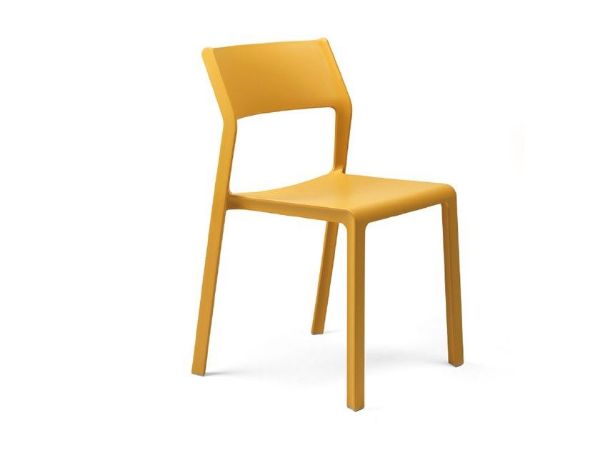
The main concern with resin is not chlorine itself, but surface wear and heat movement. Lower quality plastics may fade, scuff, or become rough over time, especially where the chair is dragged or where a side table bumps against the frame. Look for smooth edges, sturdy molded sections, and hardware that can be wiped clean without trapping water. Nardi and other resin outdoor furniture are commonly associated with patios, dining areas, pools, gardens, and commercial spaces, which reflects the kind of setting where these chairs are expected to perform.
Resin also gives designers room to make comfortable shapes without many separate parts. A one-piece or closely molded seat has fewer seams for water to sit in. That can be useful around a pool, where towels, sunscreen, and splashed water collect fast. When comparing outdoor chaise lounges, pay attention to the frame joints and the way the seat connects to the base. A simple shape with fewer crevices is often easier to keep clean than a decorative design with ridges and recesses.
Aluminum and metal frames: strong, but finish matters
Aluminum is a good poolside material when it has a durable powder-coated finish. It is light enough to move, does not rust like steel, and can support slim frames that dry quickly. The coating is the part to judge. A chipped edge or scratched joint can expose metal, and repeated wetting can lead to cosmetic corrosion around fasteners and contact points.
Steel and iron frames can be sturdy, but they need a protective finish that stays intact. Around chlorine and frequent splashes, any break in that finish deserves attention. Check the feet, hinges, and welded areas, since these spots hold moisture and rub against the deck. If a frame has visible rust spots, it may still be usable, but the finish will need care and the chair may not stay clean for long.
Metal frames also conduct heat. On a hot pool deck, an aluminum or steel rail can be uncomfortable to touch, even when the material itself is holding up well. Resin can warm up too, though it does not feel the same as bare metal. This is one reason many pool owners look for a balance between frame strength, seat comfort, and how the chair feels after hours in the sun.
Slings, cushions, and fabric details
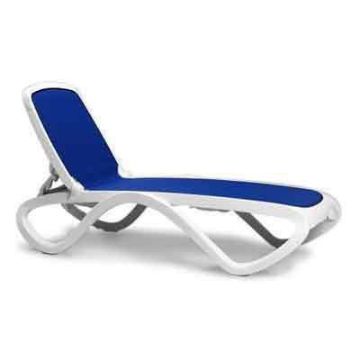
The seat surface often decides whether a chaise lounge stays pleasant to use. Polymer webbing and outdoor sling fabrics dry faster than thick cushions. They also allow water to pass through, which reduces the chance of a soggy seat after a splash or light rain. For poolside use, a taut sling with clean drainage is usually more practical than a deep padded cushion.
Cushions are not impossible near a pool, but they bring more work. Outdoor covers resist moisture better than indoor fabric, yet seams, zippers, and foam can hold water. If cushions are part of the setup, look for covers that can be removed and cleaned, and store them when they are not in use. A chaise lounge with built-in towel storage can help keep wet towels off the seat, though the storage area should also be able to drain and dry.
Sling replacement is another point to consider. Some frames use a continuous strip threaded through channels or rails, while others use panels attached with clips or rods. A replaceable sling can extend the life of a good frame. A proprietary shape may be harder to match later, so it is worth asking about replacement parts before the fabric wears out.
Water, sun, and the details that age fastest
A pool setting combines several stresses at once. Chlorine exposure, sun exposure, heat, and abrasion from foot traffic all act on the same chair. Outdoor-resin-furniture is a useful reference point here because the site context centers on resin pieces for patios, dining areas, pools, gardens, and commercial spaces. That setting makes material choice less about looks alone and more about how a chair handles repeated wetting and drying.
Drainage is easy to overlook. A chaise lounge that holds water in its frame or seat will stay damp longer, which can leave residue and encourage mildew on fabric parts. Tilt the chair mentally and picture where water would run. Holes in the frame, gaps between slats, and open sling channels are helpful. Closed tubes with no drainage path can be a problem if water enters through a seam or fastener hole.
Hardware deserves the same attention. Stainless steel or coated fasteners are better matched to wet outdoor settings than plain untreated metal. Watch for rough edges around bolts, loose caps, or small gaps where water can collect. These details rarely show up in a quick photo, but they affect how well the chair holds up over many seasons.
Surface cleaning should be simple enough that it actually happens. Most poolside furniture benefits from a gentle rinse, mild soap, and a soft cloth or brush. Avoid harsh cleaners that can dull finishes or dry out fabric. Never mix cleaning products, and follow the label directions on anything used. If residue builds up around joints, a soft brush can reach it without scraping the surface.
How to judge a chaise lounge before choosing
Start with the place it will sit. A shaded corner with occasional splashes is less demanding than an exposed pool deck with strong sun all day. If the chair will stay outside year-round, choose materials that can handle wetness, heat, and ultraviolet light without needing a full refinishing routine.
Next, compare the parts separately. The frame may be resin, aluminum, or coated metal. The seat may be molded resin, polymer webbing, sling fabric, or cushioned fabric. Each part ages differently. A strong frame paired with a flimsy sling will still need attention, while a good sling on a poor frame can develop wobble at the hinges. Outdoor-resin-furniture fits naturally into this comparison when the priority is a pool-friendly chair with simple upkeep.

Finally, think about movement and storage. Pool furniture gets shifted for sun, shade, parties, and cleaning. Chairs that are easy to move are less likely to be dragged hard across the deck, which protects both the chair and the surface underneath. Caps on the feet, rounded corners, and stable legs reduce scuffs and slip hazards. A matching side table made from the same family of materials is often easier to care for than a mixed set with different cleaning needs.
The short version is straightforward: choose nonporous frames, durable finishes, quick-drying seat materials, and hardware that resists moisture. Resin is especially practical for poolside chaise lounges because it avoids many of the coating and rot problems that affect other materials. Aluminum and quality powder-coated frames can also serve well, provided the finish stays sound. The best choice is usually the chair with fewer water traps, simpler cleaning, and parts that can be repaired or replaced without replacing the whole lounge.